This is the English Version of this article. If you want to check out the Japanese Version, it’s linked here.
https://healthy-living-energy.com/2020/09/26/%e7%a0%82%e7%b3%96%e3%81%af%e5%8d%b1%e3%81%aa%e3%81%84%e3%82%82%e3%81%ae%ef%bc%9f/
Is white sugar slowly poisoning us?
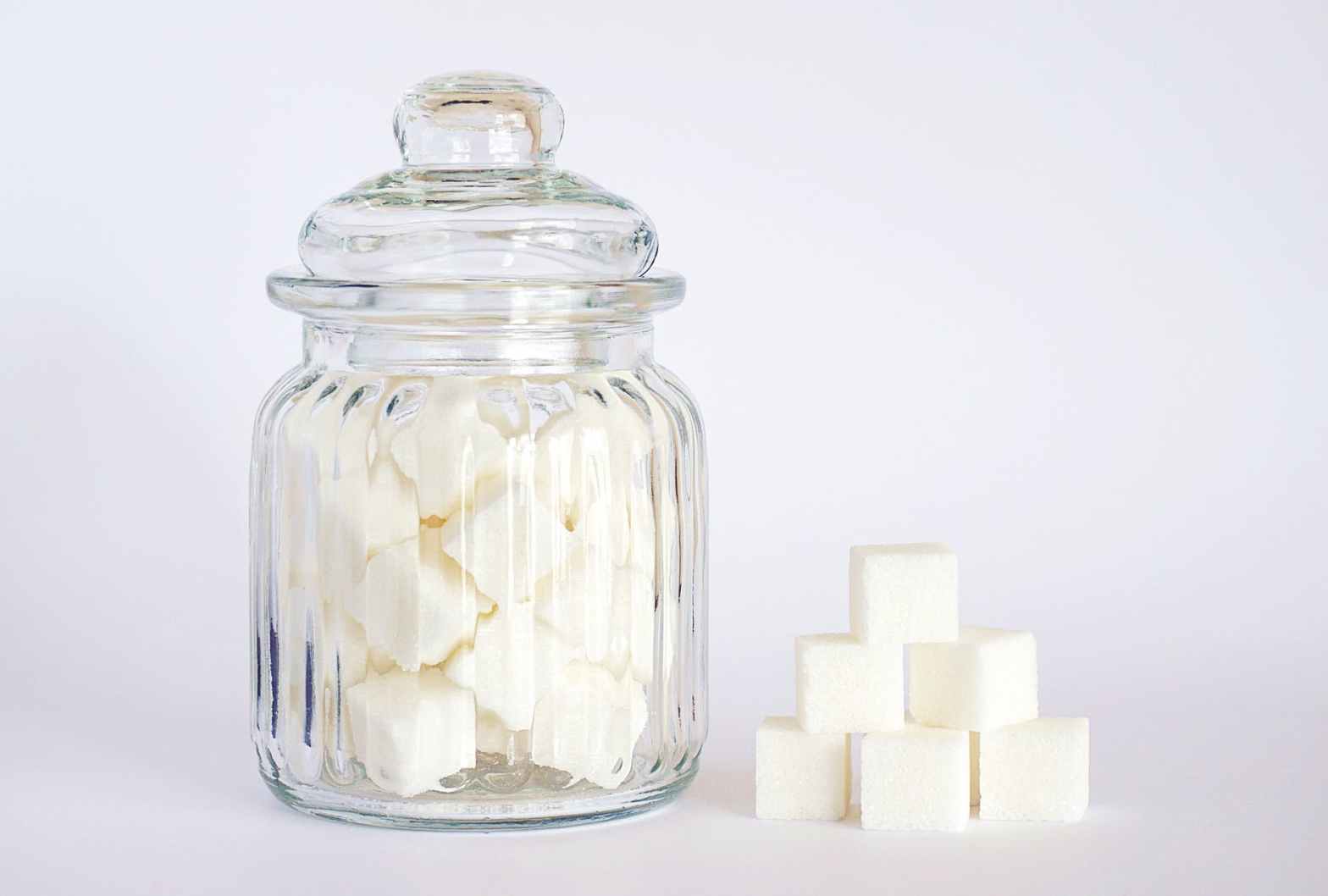
White sugar is crystallized sucrose. This means it has one glucose group and one fructose group in the molecule.
Here’s the interesting thing about this innocent looking molecule. It seems to wreak havoc on our bodies when consumed in excess.
And it’s not just white sugar; brown sugar, sugar syrups, maple syrup, and honey are all guilty of this to varying degrees.
But how much sugar is too much sugar you ask?
The FDA, the USA health organization, on a 2,000 calorie diet considers 50 grams of ADDED SUGAR to be the limit.
We were unable to find the Japanese official recommendation. However, the Japanese government does appear to recommend that people consume home cooked foods which would naturally be lower in sugar.
But wait a second… what exactly is wrong with sugar? Don’t our brains need a lot of sugar to survive?
Once again, we’re going to tell you all that we’re talking about added sugars.
What is added sugar?
Added sugar is processed sugar not naturally present in the food.
Members of the added sugar group once again are white sugar, brown sugar, sugar syrups, maple syrup, agave syrup, and honey.
Added sugars are the sugar we should most limit; primarily, because they have little nutritional value but heavily influence blood sugar.
Maple syrup, agave syrup, and honey do have nutrients and antioxidants, but even these sugars should be eaten in moderation.
What are the effects of too much added sugar in the diet?
Research has show the following effects when excess sugar is consumed in our diets.
- It can increase LDL cholesterol, lower HDL cholesterol, and increase triglyceride levels. This is because the glycation process can create AGEs.
- Sugar causes cross linking of collagen protein in our skin. This causes our skin to become stiffer and wrinkle more easily.
- There is a strong correlation between the onset of metabolic syndrome, a condition where losing weight is extremely hard, and sugar. This means if you reduce your sugar consumption you might also reduce your chances of developing this syndrome.
- Currently, they are studying the link between arthritis and sugar consumption. Some studies have indicated a correlation between sugar consumption and the severity of pain.
- Also, there are many chronic diseases that could be caused or made worse by increased sugar consumption.
- Finally, there is research to suggest that damage done by sugar is mostly irreversible. In Drosophilia while a high protein diet and high sugar diet were bad for the flies, the high sugar one was more damaging in the long term. Since once the flies were moved off the of high sugar diet, the damage to their bodies and DNA remained whereas the high protein diet flies were mostly okay after switch to a balanced diet.
- Finally, there is research to suggest that damage done by sugar is mostly irreversible. In Drosophilia while a high protein diet and high sugar diet were bad for the flies, the high sugar one was more damaging in the long term. Since once the flies were moved off the of high sugar diet, the damage to their bodies and DNA remained whereas the high protein diet flies were mostly okay after switch to a balanced diet.
Are there healthy sugars?
Yes, there are sugars naturally founds in foods. Common examples would include apples, rice, and carrots.
We need sugar to function- just not the processed type. Sugar/Carbohydrates give us energy, allow our brains to work properly, and can help with workout recovery.
These types of sugars have fiber paired with them in vary degrees, and that fiber makes all the difference.
Fiber plays an important role in stopping damage done by sugar.
For example, an apple naturally has sugar, but it also has fiber to go with that sugar. The fiber reduces the damaging effects of sugar by reducing the damage to your blood sugar that sugar does.
In essence, nature has created a nice balanced carbohydrate for you.
Now, we’re not telling you to go eat 100 apples. That’s way too much energy!
But you can afford to eat apples regularly with all those great nutrients and fiber inside of them.
It’s when you take away all that fiber that you start to really notice ill effects hence juices being considered unhealthy.
But what about white rice? Why do so many people eat white rice instead of brown rice?
The answer is taste and your gut.
White rice has nutrients in it- just not as many as brown rice.
The thing about brown rice is some people just don’t like the taste. And that’s okay.
Food is there to nourish your body and your soul. White rice has plenty of nutrients; so in moderation, it’s not going hurt you.
Furthermore, some people have a lot of trouble with their gut microbiomes. These people might experience intestinal distress from eating brown rice.
In that case, it’s better to eat white rice instead.
Finally, there have been claims of higher concentrations of arsenic being present in brown rice than in white rice due to the hull being removed.
In the event that this is true, it’s our opinion that it would make sense to continue to eat white rice as a way to avoid this dangerous poison since an alternative is readily available.
Unfortunately, many leafy greens as well are believed to be contaminated with arsenic. So, it makes sense to avoid it in brown rice if the concentration continues to be high.
Mucopolysaccharide Chains
In addition, mucopolysaccharide chains are extremely beneficial for your body particularly your brain.
As their name suggests, these are are also sugar chains but with one important difference, the way the sugar binds produces a mucus like effect.
Sounds delicious, right?
But those chains come with important nutrition benefits including a VERY bioavailable version of Vitamin K2.
This type of sugar has also been linked to metabolism boosting effects, controlling of blood sugar, and a reduction of inflammation in our bodies.
These are the very effects that added sugar can trigger.
But aren’t honey, blue agave, and maple syrup healthy for you?
Let’s first talk about manuka honey which does appear to have strong antimicrobial and anti-viral benefits, cough Corona Virus cough; and therefore, we might advise a dose of manuka honey regularly.
The rest of these white/brown sugar alternatives offer some nutrients but not a lot.
As a result, we recommend that you enjoy them in moderation following the dietary recommendations of your country.
Honey, blue agave, and maple syrup have lower glycemic indexes than sugar and contain trace mineral amounts. So, they’re perfect when you want to have a nice desert.
But they should not be consumed in large amounts, or you’ll find that they may produce the same effects as excessive white sugar consumption.
What do you want us to talk about next? Leave us a comment down below.
 ヘルシーライフスタイル